Something rather special happened in the UK this week. Between 8 and 13 July 2026, the World Radiosport Team Championship — WRTC for short — touched down on British soil. If you’ve never heard of WRTC, you’re not alone. But if you hold a Foundation licence and you’re wondering what all the fuss is about, it’s worth knowing about. This is effectively the Olympics of amateur radio contesting, and it came to our back garden.
What is WRTC?
The World Radiosport Team Championship is held every four years and brings together the best contesting operators on the planet to compete on an equal footing. Teams of two operators are each given identical antennas and equipment, set up in the same geographic area, and let loose on the HF bands at the same time. The only variable is operator skill. No fancy antenna farms, no kilowatts of power — just the ability to work as many stations as possible in a set time period.
It is, in short, the purest form of competitive radio operating there is. Previous championships have been held in Slovenia, the United States, and Germany. In 2026, it was our turn.
The RSGB has been an official partner to WRTC 2026, with volunteers and staff on site throughout the week. Coverage appeared in BBC News Online and BBC Radio Shropshire, which is exactly the kind of mainstream visibility amateur radio does not always get. If you know someone who has been curious about the hobby, now is a good moment to point them at the headlines.
Why should a Foundation licence holder care?
Fair question. As an M7 holder you are probably not entering international contesting championships just yet. But events like WRTC matter to all of us for a few reasons.
First, they bring attention to amateur radio as a serious, skilled activity. One of the quiet frustrations of being a new operator is explaining to people that this is not CB radio. WRTC makes that case better than any conversation I could have — international competition, years of training, media coverage. It legitimises the hobby in a way that sticks.
Second, contesting is one of the most accessible ways to get on the air when you hold a Foundation licence. You do not need to win. You do not need sophisticated equipment. I made my first contest contact with ten watts and a wire strung out of a bedroom window. The goal for a beginner is simply to call CQ contest, exchange your callsign and a serial number, and log it. Every contact counts.
Getting started with contesting as an M7
The RSGB runs a packed calendar of contests, and many of them are straightforward for a Foundation licence holder to dip a toe into. The 70MHz Activity Contests, which run on Thursday evenings, are a relaxed starting point if you have any VHF capability at all. The rules are simple, the contacts are local, and the pace is manageable.
If you want to try HF contesting, look out for the RSGB IOTA Contest at the end of July. Islands on the Air is one of the more forgiving formats — you are working stations from islands, which are plentiful around the British Isles, and even a handful of contacts feels rewarding. Foundation holders can operate on the HF bands within their permitted power limits, and no one expects you to run a rate of 200 contacts per hour.
The key thing is just to try it. Put in a few calls. Log what you work. You might be surprised how far ten watts gets you when propagation is on your side.
Following WRTC 2026
If you want to read more about the championship — including finding out who won — the official site at wrtc2026.org is the place to go. The RSGB has also been posting coverage through their usual channels, and the BBC coverage is worth a read even if you are already familiar with the hobby.
It is genuinely nice to see amateur radio making the mainstream news for the right reasons. Long may it continue.
There is a particular thrill in hearing a voice come back to you out of the static for the first time. Mine came as M7RJJ, on a Foundation licence I had spent months working up the courage to use. More than five years later, I sit in the same shack (it’s also my work-from-home office) as M0LGI, and the journey between those two callsigns has been one of the most rewarding things I have ever done.
This is the story of how I got there, and a few honest reflections on what the path actually felt like.
It started with a curious child
My fascination with radio goes back further than I can properly remember. There is something almost magical about the idea that a voice, a song, or a Morse code character can travel hundreds or thousands of miles through nothing but air and ionosphere. As a child, I would tune through the shortwave bands on the family radio and listen to broadcasts from places I could barely find on a map. I did not know it then, but the seed was already planted. What I barely realised as a child was that ordinary people could actually do this themselves.
I also remember a visit to the local town show where the (now defunct, I think) Dudley and District Amateur Radio Society took over a ballroom at Himley Hall to house a ham station for the weekend. Everything was there from Analogue Fast Scan TV to the noisy RTTY teleprinters. I probably had a very glazed look on my face as I went round the room, listening to the chatter and ‘Donald Duck’ like noises of off-tune SSB.
The discovery that amateur radio was a thing, and that with a bit of study I could be on the air talking to those distant voices rather than just listening to them, lit a spark, but it would be many years before I could convince myself that I had both the time and technical literacy to do it.
I’m not from a scientific family. I’m from a council estate in Dudley. I was the first in my family to get any qualifications (seriously, I don’t think my parents, aunts and uncles have as much as an O Level between them) I’m also colourblind, so while I was always ok with things like code, circuits and resistors are largely impenetrable to me. I’m also a ‘words guy’ (politics degree).
My maths ability is poor, and it took me three attempts to get my GCSE. The only reason I persisted was that I needed it to get into university. Despite that, I decided, aged 38, that maybe I should find something to do now that I was married and had given up on ‘wine, women and song’.
Foundation Licence: the first hurdle
The Foundation licence is designed to be welcoming, and on paper it is. In practice, sitting down with the syllabus for the first time was still a moment of doubt. There were diagrams I did not understand, rules I had not encountered before, and an alphabet soup of terms that all seemed to mean something slightly different.
I got there with repetition. Lots of repetition. Flashcards became my best friend, and I drilled them on the train, in the kitchen, and in those quiet five minute gaps that turn up during a working day.
When the pass came through, and M7RJJ landed in my inbox, I held off transmitting for nearly a week. The first contact, when it finally happened, was a short and slightly stumbled exchange that I will never forget.
Intermediate Amateur Licence: the licence I cannot quite remember
Here is a confession that feels apt for a blog about memory. I cannot, for the life of me, recall my 2E0 callsign.
I held it. I used it. I made contacts with it. And somewhere in the move from Intermediate to Full it slipped out of my head and never came back. There is something quite funny about that, given how much of this whole journey has been about wrestling with a memory that does not always cooperate.
The Intermediate exam itself was a genuine step up. The maths started to bite, the regulations grew teeth, and the practical element forced me to actually solder rather than just nod along to a diagram. It took longer than Foundation, with more false starts and more evenings spent staring at a textbook or following a self guided online course, wondering why I had ever thought this was a good idea. But each small breakthrough felt earned, and that mattered.
The full amateur radio licence: the long climb
The Full Licence was where the journey nearly stalled. The syllabus is broader, the maths is much harder, and the volume of material to retain is genuinely demanding. For someone whose memory is, let us say, selective, this was the part of the path that demanded the most patience.
I gave up on cramming and went back to what had worked for Foundation level. Repetition. Flashcards. Little chunks, often. I would tackle one topic at a time, drill it until it stuck, then move on. When something refused to land, I would leave it and circle back a week later. Sometimes it had quietly taken root in the meantime. Sometimes it had not, and I would start again.
I studied with Bath and District Amateur Radio Club remotely. I can’t say enough good things about the syllabus and the quality of the teaching. But, I still had a false start, where I had to delay my entry and take the next course, due to feeling overloaded with the pressure from my then day-job.
The process took a solid five months from the initial assessment quiz (that I took on holiday in Greece) to the completion of the course. This was weekly 2 hour Zoom lessons and massive amounts of reading material and doing other online teaching modules and watching YouTube videos for more details, as well as building physical circuits.
The exam day itself was nerve wracking. It’s something you can do from home as long as you have an additional camera that can see you from behind and see under your desk. It was a Sunday morning in Mid-January and I had 2 hours to complete the exam.
I remember reading questions twice, then three times, convinced I was missing something. I got to the end, and the multiple-choice test was marked in an instant. When the pass came through, the feeling was not so much triumph as relief. M0LGI was issued a few days later, and a chapter that had taken more than five years finally closed.
The contact that made it all worth it
While the plan for the future is to operate overseas in France and Greece while staying with family (something you can’t do without the HAREC certification that comes free with a full amateur radio licence), the thing that made me think I was on the right course came early courtesy of my Xiegu G90.
Every operator has a contact that sticks with them. Mine happened while I was still M7RJJ, running the 10 watts that the Foundation licence then allowed. Ten watts is not very much. It is roughly the power of a dim light bulb, and the conventional wisdom is that you should not expect miracles from it on HF.
That afternoon I worked the ARRL Headquarters station in the United States. This is the US equivalent of working the UK’s National Radio Centre. I still remember the moment my callsign came back across the Atlantic. Ten watts from a modest UK station, into the headquarters of American amateur radio. It was the sort of contact you read about in magazines and quietly assume happens to other people. The exchange was short, as contest exchanges always are, but the meaning of it was anything but small. A handful of watts had crossed an ocean. Every flashcard, every late evening with a textbook, every moment of doubt felt repaid in that one short exchange.
That is the thing about amateur radio. The reward is not the licence itself. The licence is just a door. The reward is everything that happens once you walk through it.
What I would tell my Foundation licenced self
If I could send a message back to the operator who first keyed up as M7RJJ, it would be short.
You are going to forget your Intermediate callsign. That is fine. You are going to find some exam topics harder than you expected. That is also fine. The journey is not a race, and the operators you meet on the air will not care how long it took you to get there. Take it at the pace your memory and your life will allow, lean on repetition when the material refuses to stick, and remember why you started.
A child once listened to voices coming out of the static and wondered how on earth they got there. More than five years of study answered the question. The answer is that you put in the hours, you trust the process, and one quiet evening, a signal finds your antenna and the whole thing makes sense.
73 from M0LGI, formerly M7RJJ, and briefly something with a 2 in it that I really should write down somewhere.
If you have spent any time on the HF bands in recent years, you will know that digital modes have transformed amateur radio. FT8 and FT4 made it possible to work weak signals that would be lost in the noise on SSB or even CW.
Now there is a new arrival on the scene, and it is faster than anything that has come before it. It is called FT2, and this post will walk you through what it is, how it works, and why so many operators are excited about it.
So, what is FT2?
FT2 is a digital mode designed for amateur radio, built specifically for short, efficient contacts on the HF bands. It was created by Martino Merola, callsign IU8LMC, with the support of ARI Caserta in Italy. The very first FT2 contact in the world took place on 16 February 2026 between IU8LMC and IZ8XXE on the 40 metre band.
The headline figure is the cycle time. Where FT8 uses a 15-second transmit and receive cycle, and FT4 uses 7.5 seconds, FT2 squeezes the same job into just 3.8 seconds. That makes it roughly four times faster than FT8, with a complete contact typically wrapping up in around 6 seconds.
How does it relate to FT8 and FT4?
This is where things become reassuring for anyone already familiar with the existing modes. FT2 uses the same underlying codec as FT8 and FT4. The 77 bit payload, the LDPC(174,91) forward error correction, and the 4-GFSK modulation are all identical. In other words, FT2 is not reinventing the wheel. It takes the trusted protocol core that has been refined over the years and packages it into a much shorter cycle.
What makes the difference is how that information is transmitted and decoded. The transmission bandwidth is wider at 167 Hz (compared with 50 Hz for FT8 and 83 Hz for FT4), and the effective transmit time is much shorter at around 1.89 seconds. Combined with a clever new decoding engine, this produces a mode that is both fast and remarkably sensitive.
The numbers that matter
A quick comparison helps put FT2 in context:
Parameter
FT8
FT4
FT2
Cycle time
15 seconds
7.5 seconds
3.8 seconds
Bandwidth
50Hz
83Hz
167Hz
Sensitivity
-21db
-16.5db
-23db
Full QSO
~60 seconds
-30 seconds
-6 seconds
Max contacts per hour
60
120
450
That sensitivity figure of -23 dB SNR is particularly impressive. It means FT2 can pull signals out of the noise that are weaker than what FT8 can manage, which is no small achievement given the shorter cycle.
The Raptor Engine and Shannon’s limit
The software that powers FT2 is called DECODIUM, and the current decoding engine is named Raptor. Without getting too technical, Raptor uses a refined approach to digital signal processing that pushes performance close to what is mathematically possible.
Claude Shannon, the father of information theory, proved back in 1948 that every noisy channel has a theoretical maximum capacity. The Raptor engine is described by its developers as operating at the practical limit of Shannon’s theorem for 77 bit blocks on HF. As the project’s tagline puts it, “more power is not the answer, better math is.”
Asynchronous transmission
One of FT2’s most interesting features is asynchronous transmission, or ASYMX as it is called in the software. Traditional digital modes require all stations to be synchronised to a precise clock, usually using NTP or GPS. FT2 does away with this requirement. It begins transmitting within about 300 milliseconds of decoding the previous message, with no need for the even and odd time slot dance that FT8 operators will recognise.
For new operators, this means you do not need to worry quite so much about keeping your computer clock perfectly aligned. The mode works around clock drift and timing variations in a much more flexible way.
FT2 – Officially recognised by ADIF
A digital mode is not really part of the amateur radio mainstream until logging software supports it properly. FT2 cleared this hurdle on 22 March 2026, when the ADIF Development Group voted unanimously, 22 to 0, to include FT2 as an official submode in ADIF 3.1.7. This was the highest participation ever recorded by the group, and it means every major logging platform now recognises SUBMODE=FT2. Names you will know, including LoTW, DXLab Suite, Log4OM, Cloudlog, eQSL, Wavelog, and Fldigi, all voted in favour.
Getting started with FT2
The software you need is called DECODIUM 4.0, codename Shannon. The latest public beta was released on 19 May 2026, and it is available as a free download for Windows, macOS (Apple Silicon), and Linux. There is also a Raspberry Pi port for anyone wanting to build a compact portable FT2 station.
You can find the official downloads at ft2.it, and there is a Telegram beta group where you can ask questions and get help from other operators. With over 2,000 active operators and more than 500,000 QSOs logged across 40+ DXCC entities, the community is already a healthy size for a mode this young.
Should you try FT2?
f you already enjoy FT8 or FT4, the learning curve for FT2 is gentle. The on-screen workflow is familiar, the message structure is the same, and your existing rig and interface should work without modification. The main differences you will notice are the rapid pace and the absence of strict timing constraints.
For contesters and DXers, the appeal is obvious. Roughly 450 contacts an hour is a serious rate, and the improved sensitivity means you stand a better chance of working that rare station whose signal is barely audible. For more casual operators, FT2 offers a chance to make many short contacts in a single session without committing to the longer cycles of FT8.
Either way, FT2 is a notable step forward for amateur radio digital modes. It builds on what FT8 and FT4 established, takes advantage of modern computing power, and pushes performance close to the mathematical limits of what is possible. Whether you are a seasoned digital operator or just starting out, it is well worth a look.
The Radio Society of Great Britain (RSGB) stands as one of the world’s oldest and most influential amateur radio organisations, with a history spanning over a century of technological advancement and community building. Founded in 1913 as the London Wireless Club, the organisation emerged during the pioneering days of wireless communication, when radio was still a mysterious new technology capturing the imagination of experimenters across Britain.
The society’s transformation from the London Wireless Club to the Radio Society of Great Britain reflected its growing national influence and the expanding amateur radio community. Throughout the early 20th century, the RSGB played a crucial role in establishing the foundations of amateur radio in the United Kingdom, advocating for radio amateurs’ rights and helping to shape the regulatory framework that would govern the hobby for generations.
During both World Wars, the RSGB and its members demonstrated their strategic importance to national communications infrastructure. Amateur radio operators provided vital emergency communications capabilities and many served as wireless operators in military service, their pre-war experience proving invaluable to the war effort. This period established amateur radio’s reputation as both a technical hobby and a source of skilled communicators in times of national need.
Post-War Growth and Modernisation
The post-war era brought unprecedented growth to amateur radio in Britain. The RSGB adapted to serve an expanding membership, introducing new services and publications to meet the evolving needs of radio amateurs. The society became instrumental in frequency coordination, technical standards development, and international amateur radio relations through organizations like the International Amateur Radio Union (IARU).
As technology evolved from valve-based equipment through transistors to modern digital communications, the RSGB remained at the forefront of technical education and standards development. The organisation helped British amateurs navigate the transition from traditional CW and phone operations to include new modes like packet radio, digital signal processing, and eventually internet-enhanced amateur radio technologies.
The Modern RSGB: Comprehensive Services for Today’s Amateurs
Today’s RSGB operates as the UK’s national amateur radio society, serving thousands of members through a comprehensive range of services designed to support every aspect of the amateur radio experience. The organization serves as the UK national amateur radio organization providing GB2RS News, RadCom, Clubs, Education, Forums and much more.
RadCom: The Flagship Publication
At the heart of RSGB membership benefits lies RadCom, the RSGB members’ magazine sent free every month to members of the Society, which has the largest amateur radio readership in the UK and is respected throughout the world. This monthly publication delivers cutting-edge technical articles, equipment reviews, construction projects, and news from across the amateur radio spectrum. RadCom has maintained its position as one of the premier amateur radio magazines globally, consistently delivering content that ranges from beginner-friendly tutorials to advanced technical discussions.
Complementing the main magazine is RadCom Basics, a digital supplement to RadCom for Members new to the hobby or who just want to refresh their knowledge of key areas at the core of amateur radio. This resource bridges the gap between newcomers and experienced operators, ensuring that fundamental knowledge remains accessible to all members.
Licensing and Education Services
The RSGB plays a vital role in amateur radio education and licensing support. The organization maintains comprehensive resources for all three UK licence levels: Foundation, Intermediate, and Full. Through affiliated clubs and training organizations across the country, the RSGB facilitates access to amateur radio education, helping thousands of new amateurs enter the hobby each year.
The society provides guidance on Ofcom’s licensing processes, including information about online licensing portals and renewal procedures. This support is particularly valuable given the complexity of modern amateur radio regulations and the technical requirements for different licence classes.
Technical Standards and Band Planning
The RSGB continues its historic role in technical standards development and frequency coordination. The organization publishes annual band plans that incorporate VHF and UHF changes in response to increased demand prompted by new amateur licensing provisions, as well as updates from international amateur radio conferences. These band plans ensure efficient spectrum usage and minimize interference between different amateur radio activities.
The society’s technical committees work continuously to address emerging challenges in amateur radio, from EMC issues in densely populated areas to the integration of new digital modes and protocols. This work helps maintain amateur radio’s technical relevance in an increasingly complex RF environment.
GB2RS News Service
The RSGB operates GB2RS, one of amateur radio’s most comprehensive news services. This weekly broadcast provides timely information about amateur radio developments, regulatory changes, contest announcements, and technical updates. GB2RS serves both as an information source and as a unifying element for the UK amateur radio community, ensuring that important developments reach operators regardless of their preferred communication methods.
Membership Benefits and Community Building
Modern RSGB membership extends far beyond traditional services. Members receive RadCom monthly, access to online member content including archives and digital publications, plus exclusive resources available only to RSGB members. The society has developed extensive online resources, forums, and digital archives that preserve decades of amateur radio knowledge and experience.
The RSGB maintains strong relationships with affiliated clubs throughout the UK, providing support for local amateur radio activities and helping coordinate national events and competitions. This network ensures that the society’s influence extends into local communities while maintaining national coherence in amateur radio development.
Advocacy and Representation
Perhaps one of the RSGB’s most important modern functions is its advocacy work on behalf of UK amateurs. The society represents amateur radio interests in regulatory proceedings, works to protect amateur frequencies from encroachment, and maintains relationships with international amateur radio organizations. This advocacy work often occurs behind the scenes but is crucial for maintaining amateur radio’s access to spectrum and operating privileges.
The RSGB has been particularly active in addressing modern challenges such as interference from consumer electronics, power line communications, and other RF noise sources that threaten amateur radio operations. The society’s technical expertise and established relationships with regulatory authorities make it uniquely positioned to address these complex issues.
Supporting Diversity and Accessibility
The modern RSGB actively works to make amateur radio accessible to all, including supporting disabled amateurs and promoting inclusivity within the hobby. The organisation recognises that amateur radio’s future depends on welcoming new participants from all backgrounds and circumstances, leading to initiatives that break down barriers to amateur radio participation.
Digital Services and Modern Communication
Recognising the digital transformation of amateur radio, the RSGB has expanded its online presence significantly. The society provides comprehensive web-based services, digital publications, online forums, and streaming content including live webinars and educational programs. Despite continuing challenges, the amateur radio community stayed strong in 2024 with RSGB support, demonstrating resilience and adaptation.
Looking Forward: The RSGB’s Continuing Evolution
As amateur radio continues to evolve in the 21st century, the RSGB faces the challenge of maintaining relevance while preserving the hobby’s core values. The society has demonstrated remarkable adaptability, transitioning from serving a small community of wireless experimenters to supporting a diverse, technically sophisticated amateur radio population.
The organisation maintains democratic governance through its annual general meeting process, ensuring member input continues to guide RSGB development. This participatory approach helps ensure that the society remains responsive to its membership’s changing needs and interests.
The RSGB’s commitment to education, technical excellence, and community building positions it well for amateur radio’s future challenges. Whether addressing spectrum pressure, integrating new technologies, or fostering the next generation of amateur radio operators, the society’s century of experience provides a solid foundation for continued leadership in amateur radio development.
Conclusion
From its humble beginnings as the London Wireless Club to its current status as a comprehensive national amateur radio organisation, the Radio Society of Great Britain has consistently demonstrated the value of organised amateur radio advocacy and support.
The RSGB Yearbook 2025 represents the most comprehensive guide to amateur radio in the UK and worldwide, containing expanded information about the RSGB, its committees and services, illustrating the organisation’s continued commitment to serving its members and the broader amateur radio community.
The RSGB’s success lies in its ability to balance tradition with innovation, maintaining the experimental spirit that founded amateur radio while adapting to modern technological and social realities. As amateur radio continues to evolve, the RSGB’s role as educator, advocate, and community builder ensures that this remarkable hobby will continue to thrive in the United Kingdom for generations to come
.For those interested in amateur radio, whether newcomers seeking their first licence or experienced operators looking to deepen their involvement in the hobby, the RSGB offers a gateway to one of technology’s most enduring and rewarding pursuits. The society’s comprehensive services, technical expertise, and vibrant community make it an essential resource for anyone serious about amateur radio in the 21st century.
What is FT8 and Why Should Foundation Operators Care?
FT8 (Franke-Taylor design, 8-FSK) has revolutionized amateur radio digital communication since its introduction in 2017. For Foundation licence holders operating with limited power and antenna restrictions, FT8 offers an incredible opportunity to make worldwide contacts that would be impossible with traditional voice modes.
This weak-signal digital mode can decode signals as much as 21 dB below the noise floor, making it perfect for QRP (low power) operations. With just 10 watts and a modest antenna, Foundation operators can regularly work DX stations across the globe.
Understanding FT8: The Technical Basics
FT8 uses 8-tone frequency-shift keying (8-FSK) with a symbol rate of 6.25 symbols per second. Each transmission lasts exactly 12.64 seconds, followed by a 2.36-second gap, creating precise 15-second time slots. This timing synchronization is crucial – your computer’s clock must be accurate to within ±1 second for successful decoding.
The mode occupies just 50 Hz of bandwidth and uses structured messages that follow a specific protocol. A typical FT8 QSO consists of six transmissions (three each way), exchanging callsigns, grid squares, and signal reports automatically
The Soundcard Interface: Your Digital Gateway
The connection between your transceiver and PC soundcard is the heart of any FT8 station. This interface allows your computer to generate the audio tones for transmission and receive audio signals for decoding.
Audio Connections
Most operators use one of three interface methods:
Built-in Soundcard Interface: Many modern transceivers include USB connections that provide both audio in/out and CAT (Computer Aided Transceiver) control. Popular models like the Yaesu FT-991A, Icom IC-7300, and Kenwood TS-890S offer this convenience.
External Sound Interface: Dedicated amateur radio interfaces like the SignaLink USB or RigBlaster series provide audio isolation, level matching, and PTT (Push-to-Talk) control. These units protect both your radio and computer from ground loops and audio level mismatches.
Simple Soundcard Connection: Budget-conscious operators can build basic interfaces using audio isolation transformers and PTT switching circuits, though this requires more technical knowledge and careful level setting.
Audio Level Management
Proper audio levels are critical for FT8 success. The transmit audio should drive your transceiver to approximately 25-30 watts output (for 100-watt radios) while maintaining clean modulation. Most FT8 software includes built-in level indicators and ALC (Automatic Level Control) monitoring to help optimize settings.On the receive side, audio levels should provide good signal strength in the software without overloading the soundcard input. Too much gain can cause intermodulation distortion, while too little reduces weak signal sensitivity.
Essential Software for FT8 Operations:
WSJT-X remains the gold standard for FT8 operations. Developed by Nobel Prize winner Joe Taylor (K1JT), this free software handles all aspects of FT8 communication, from frequency coordination to log integration.
JTDX and JS8Call offer alternative implementations with additional features. JTDX provides enhanced band activity displays and contest features, while JS8Call enables keyboard-to-keyboard messaging using FT8 technology.
Most operators also use logging software like Ham Radio Deluxe, N1MM Logger+, or LOTW (Logbook of the World) integration for contest participation and QSL management.
Band Planning and Frequency Coordination
FT8 operates on specific frequencies within each amateur band. Foundation licence holders should focus on:
40m: 7.074 MHz (most popular for domestic contacts)
20m: 14.074 MHz (excellent for DX during daylight hours)
80m: 3.573 MHz (good for evening local/regional contacts)
10m: 28.074 MHz (sporadic E and solar cycle dependent)
The software automatically manages frequency coordination within the ±3 kHz FT8 sub-band, but operators should monitor band conditions and QRM levels when selecting their operating frequency.
Station Setup and Configuration:
Computer Requirements:
FT8 demands accurate timing synchronization. Install time synchronization software like Meinberg NTP or Dimension 4 to maintain clock accuracy. Most modern computers can handle FT8 processing easily, but avoid running processor-intensive applications during operation.
Antenna Considerations for Foundation Operators:
While FT8’s weak-signal capabilities work miracles, a good antenna system remains important. Foundation operators often achieve excellent results with:-
Wire antennas: End-fed half-waves, dipoles, or random wires work well
Vertical antennas: Ground-plane or end-fed verticals for DX work
Magnetic loop antennas: Excellent for restricted spaces, though bandwidth-limited
Even compromised antennas can produce surprising results with FT8’s digital signal processing advantages.
Operating Procedures and Etiquette:
FT8 follows automated protocols, but good operating practices remain important. Monitor before transmitting, use appropriate power levels, and avoid calling stations you can’t copy clearly. The mode’s popularity can create crowded conditions, so patience and courtesy benefit everyone.
Understanding the message structure helps troubleshoot problems. Watch for partial decodes that might indicate timing or level issues, and adjust your station accordingly.
Troubleshooting Common Issues:
Timing Problems:
GPS disciplined oscillators or internet time synchronization solve most timing issues. Check your computer’s time against WWV or online atomic clocks.
Audio Interface Issues:
Ground loops, level mismatches, and RF feedback cause most audio problems. Proper grounding, ferrite cores, and appropriate interface equipment resolve these issues.**Decode Problems**: Poor receives often result from computer overloading, inadequate antenna systems, or local interference. Address each potential cause systematically.## Advanced Techniques for Foundation Operators
Grid Square Optimisation: Learn your Maidenhead grid square and surrounding grids to maximize contact opportunities during contests and DXpeditions.
Band Condition Awareness: Monitor propagation predictions and solar indices to optimize band selection and operating times.
Contest Participation: FT8 contests offer Foundation operators excellent opportunities to work rare stations and improve their digital operating skills.
Conclusion: Embracing Digital Communication
FT8 opens incredible communication opportunities for Foundation licence holders. The mode’s weak-signal capabilities, combined with modest equipment requirements, level the playing field between QRP and high-power stations.
Success with FT8 depends on proper station setup, good operating practices, and understanding the technology behind the magic. Start with basic equipment, learn the software thoroughly, and gradually optimize your station for maximum performance.
The future of amateur radio increasingly includes digital modes like FT8. Foundation operators who master these techniques position themselves for decades of exciting communication adventures, regardless of power limitations or antenna restrictions.
Whether you’re working your first transatlantic contact or chasing rare DX entities, FT8 proves that in amateur radio, technical knowledge and good engineering often matter more than raw power. For Foundation licence holders, that’s particularly good news.
Amateur radio satellites represent one of the most ambitious and successful grassroots efforts in space technology. For over six decades, radio amateurs worldwide have designed, built, and operated dozens of satellites that have advanced both space science and global communications. These miniature spacecraft, often built on shoestring budgets by volunteers, have pioneered technologies later adopted by commercial and military satellite systems.
The Dawn of Amateur Radio in Space
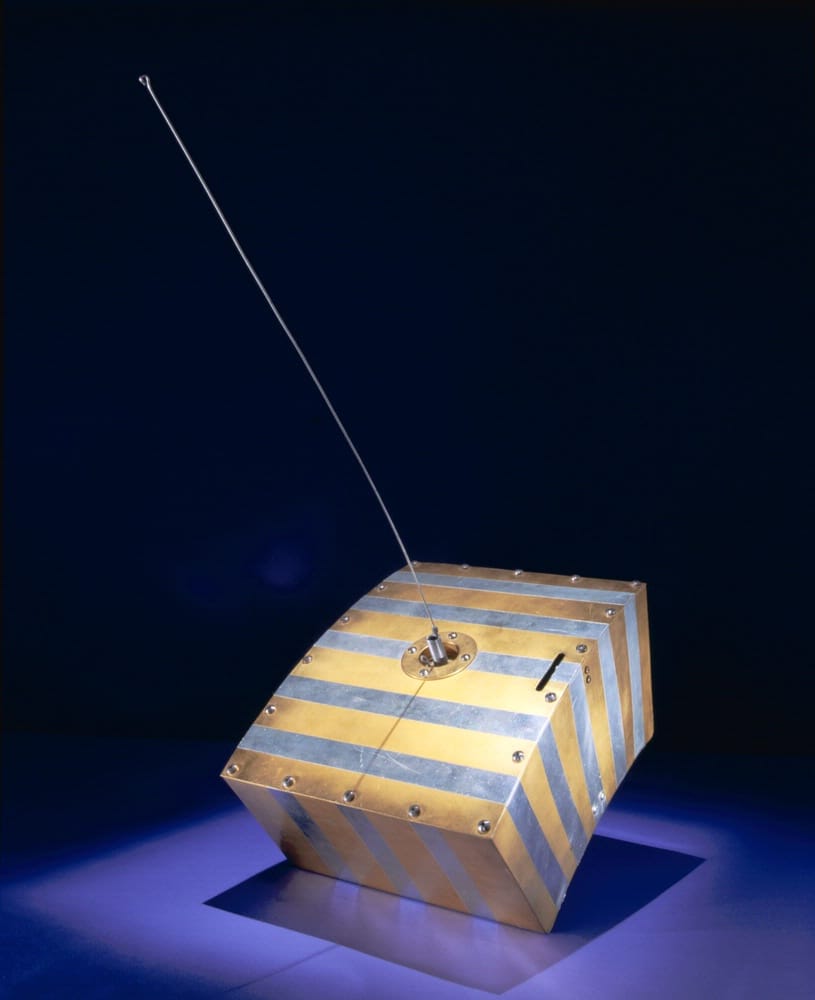
The amateur radio satellite program began during the early years of the Space Age. On December 12, 1961, just four years after Sputnik, OSCAR-1 (Orbiting Satellite Carrying Amateur Radio) became the first amateur radio satellite launched into orbit.
Built by Project OSCAR in California, this modest 10-pound spacecraft transmitted a simple “HI” message in Morse code for 22 days before its batteries died.
OSCAR-1’s success demonstrated that dedicated amateurs could design and build functional spacecraft. The satellite was launched as a secondary payload aboard a military mission, establishing a cost-effective model that amateur radio satellites continue to follow today. This achievement proved that space technology wasn’t exclusively the domain of superpowers and large corporations.
The early OSCAR missions laid crucial groundwork for what would become a thriving amateur satellite community. OSCAR-3, launched in 1965, became the first amateur satellite to carry a transponder, allowing two-way communication through space. This innovation transformed amateur radio satellites from simple beacons into genuine communication tools.
Evolution Through the Decades
The 1970s and 1980s saw remarkable advancement in amateur satellite capabilities. OSCAR-6 and OSCAR-7, launched in 1972 and 1974 respectively, featured sophisticated transponders operating on multiple frequency bands. These satellites enabled thousands of radio amateurs to experience space communication for the first time, with OSCAR-7 remarkably still functioning intermittently today, nearly five decades after launch.
The introduction of Mode B operation (435 MHz uplink, 145 MHz downlink) became a standard that persists today. This frequency arrangement allowed for efficient satellite communication while minimising interference with terrestrial amateur radio operations.
The success of these early missions established amateur radio satellites as a legitimate and valuable part of the amateur radio service.During the 1980s and 1990s, amateur satellites became increasingly sophisticated. Phase 3 satellites, built by AMSAT (Radio Amateur Satellite Corporation), featured highly elliptical orbits that provided extended coverage periods over specific regions. These satellites, including OSCAR-10 and OSCAR-13, offered near-commercial quality communication links and supported emergency communications during natural disasters.
Technical Innovation and Miniaturisation
Turn of the millennium brought revolutionary changes to amateur satellite technology. The development of CubeSat standards dramatically reduced the cost and complexity of satellite construction. These tiny spacecraft, measuring just 10 centimetres on each side, made satellite development accessible to universities, high schools, and smaller amateur radio groups.
CubeSats enabled a new generation of experimental satellites that pushed technological boundaries. Digital communication modes replaced traditional analogue transponders on many missions, offering improved efficiency and new capabilities. Satellites began incorporating advanced features like software-defined radios, GPS tracking, and sophisticated digital signal processing.
The miniaturisation trend also led to the development of “picosatellites” and femtosatellites, some weighing less than a kilogram. These ultra-small spacecraft demonstrated that meaningful space missions could be accomplished with minimal resources, inspiring educational programs worldwide and making space technology accessible to students at all levels.
Current Applications and Services
Today’s amateur radio satellites serve diverse purposes that extend far beyond simple communication. Linear transponders continue to provide voice and digital communication services, but modern satellites offer much more sophisticated capabilities.
Digital store-and-forward messaging has become increasingly important, particularly for emergency communications. Satellites like the International Space Station’s amateur radio equipment regularly handle message traffic during disasters when terrestrial infrastructure fails. These systems can store messages uploaded from one location and download them when the satellite passes over the destination region.
Educational outreach represents another vital current application. School contact programs allow students to communicate directly with astronauts aboard the International Space Station, inspiring interest in science, technology, engineering, and mathematics. These programs have reached millions of students worldwide and continue to grow in popularity.
Experimental and scientific applications showcase amateur radio’s contribution to space technology development. Amateur satellites test new communication protocols, antenna designs, and space-qualified components. Data collected from these missions often benefits commercial satellite developers and space agencies, demonstrating the continued relevance of amateur space programs.
Modern Network Architectures
Contemporary amateur radio satellites increasingly function as nodes in global digital networks rather than isolated communication platforms. Packet radio networks using amateur satellites provide store-and-forward messaging capabilities that complement internet-based systems. These networks prove particularly valuable in remote areas where traditional internet infrastructure is unavailable or unreliable.
The development of the automatic packet reporting system (APRS) via satellite has created a global position reporting and messaging network. This system allows mobile stations to report their positions and exchange short messages through satellite links, supporting activities ranging from emergency response to expedition tracking.
Some modern amateur satellites incorporate internet gateways, allowing messages to flow between satellite-based networks and terrestrial internet systems. This hybrid approach leverages the strengths of both satellite and terrestrial communications while maintaining the amateur radio emphasis on experimentation and emergency preparedness.
Emergency Communications Role
Amateur radio satellites have repeatedly demonstrated their value during emergencies and disasters. When terrestrial communication systems fail due to natural disasters, satellite links often remain operational, providing critical communication capabilities for emergency responders and affected populations.
Hurricane response operations frequently rely on amateur satellite communications to coordinate rescue efforts and relay health and welfare messages. The global coverage provided by amateur satellites makes them particularly valuable for oceanic search and rescue operations where other communication means are unavailable.
The decentralised nature of amateur satellite networks provides resilience against systematic failures. Unlike commercial satellite services that depend on centralised ground stations and corporate infrastructure, amateur satellites can be accessed by any properly equipped amateur radio operator, ensuring communication capabilities remain available even when conventional systems fail.
Educational Impact and STEM Outreach
Amateur radio satellites have become powerful educational tools that introduce students to space technology, radio frequency engineering, and project management. University amateur radio programs use satellite projects to provide hands-on engineering experience that textbooks cannot match.
High school CubeSat programs have proliferated worldwide, allowing students to design, build, and operate their own satellites. These programs teach systems engineering, project management, and teamwork while providing tangible connections between classroom science and real-world applications.
The international nature of amateur radio satellite operations exposes students to global collaboration and cultural exchange. Students often coordinate with their counterparts in other countries, learning about different approaches to engineering challenges while developing cross-cultural communication skills.
Looking Forward: Future Developments
The future of amateur radio satellites promises continued innovation and expanding capabilities. Software-defined radio technology is enabling more flexible and capable communication systems that can be reconfigured in orbit to meet changing requirements or incorporate new protocols.Constellation approaches, where multiple coordinated satellites work together, are being explored by amateur radio groups. These systems could provide continuous global coverage similar to commercial satellite constellations but maintained and operated by the amateur radio community.
Advances in commercial space launch capabilities are reducing launch costs and increasing launch opportunities for amateur satellites. This trend suggests that more ambitious amateur satellite missions will become feasible, potentially including lunar missions and deep space experiments.
The integration of artificial intelligence and machine learning into amateur satellite operations represents another frontier. These technologies could enable autonomous satellite operations, intelligent message routing, and adaptive communication protocols that optimise performance based on operating conditions.
Conclusion
Amateur radio satellites represent a remarkable success story in grassroots space technology development. From the simple beacon of OSCAR-1 to today’s sophisticated digital communication networks, these satellites have consistently pushed technological boundaries while serving the amateur radio community’s communication and educational needs.
The amateur satellite program demonstrates that significant space achievements don’t require massive budgets or government backing. Through volunteer effort, international cooperation, and innovative engineering, amateur radio operators have created a global satellite infrastructure that provides valuable services while advancing space technology.
As we look toward the future, amateur radio satellites will likely continue their dual role as practical communication tools and platforms for technological innovation. The combination of decreasing launch costs, advancing miniaturisation technology, and growing international interest in space activities suggests that the next chapter in amateur radio satellite history will be even more remarkable than the pioneering decades that came before.
The legacy of amateur radio satellites extends beyond the amateur radio community itself. Technologies pioneered on amateur satellites have influenced commercial satellite design, contributed to emergency communication capabilities, and inspired countless individuals to pursue careers in science and engineering. This impact ensures that amateur radio satellites will remain relevant and valuable contributors to both space technology and global communications for decades to come.
Complete Guide to CW Operation, Contests, and Learning Resources
Discover why Morse code (CW) thrives in 2025 amateur radio. Learn about CW contests, benefits over SSB, and the best resources to master amateur radio Morse code operation.
Introduction: Why Amateur Radio Morse Code Remains Essential in 2025
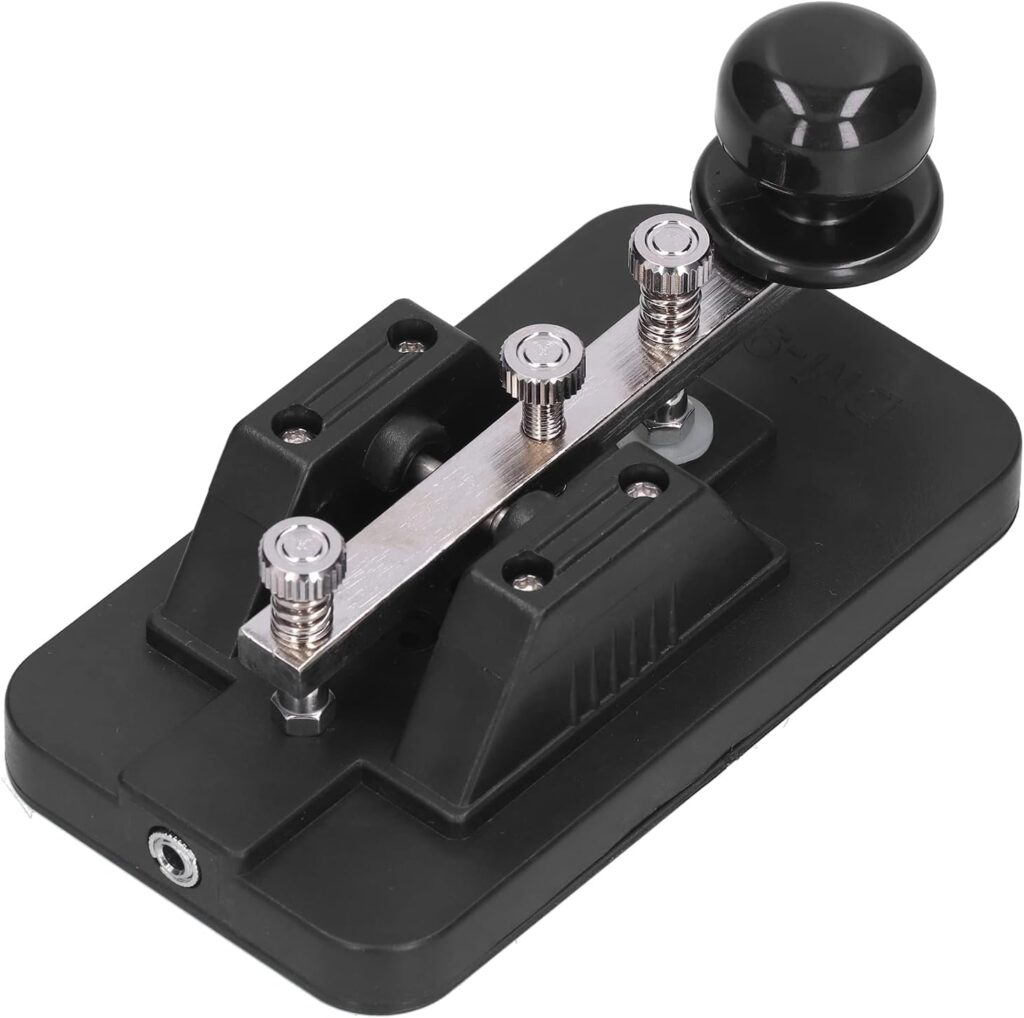
Despite living in an era of digital communication and smartphones, Morse code—also known as Continuous Wave (CW)—continues to play a vital role in amateur radio operations worldwide. Far from being an obsolete relic, amateur radio Morse code offers unique advantages that modern digital modes cannot replicate, making it an essential skill for serious ham radio operators.
Current Uses of Morse Code in Amateur Radio Operations
Emergency Communications and Disaster Response
Amateur radio Morse code serves as a critical backbone during emergency situations when conventional communication infrastructure fails. CW operators provide reliable emergency communications during natural disasters, leveraging Morse code’s superior performance in challenging conditions.
Key emergency applications include:
Disaster relief communications
Public service event coordination
Emergency traffic handling networks
Remote area communications where voice modes fail
DX Communication and Long-Distance Contacts
Ham radio DX enthusiasts rely heavily on CW for long-distance communication on HF bands. DXpeditions to rare locations prioritize Morse code because of its exceptional signal-to-noise performance, enabling contacts that would be impossible using other modes.
Amateur Radio Beacon Networks
Worldwide beacon networks use CW transmissions to help operators assess propagation conditions. The International Beacon Project and regional networks transmit location data and signal reports exclusively in Morse code, providing real-time propagation information to the amateur radio community.
QRP Low-Power Amateur Radio
Morse code excels in QRP (low-power) amateur radio operations, where operators use 5 watts or less. CW’s efficiency allows QRP enthusiasts to achieve remarkable distances with minimal power, making it the preferred mode for low-power DX communication.
Amateur Radio CW Contests: The Competitive World of Morse Code
Amateur radio CW contests represent one of the most active and competitive aspects of ham radio, drawing thousands of participants worldwide and showcasing the skill and artistry of Morse code operation.
Major International CW Contests
CQ World Wide DX Contest (CW) The CQ World Wide DX Contest attracts over 35,000 participants annually, making it the largest amateur radio competition globally. Held on the last weekend of November, this contest emphasises worldwide DX contacts using CW exclusively.
CWops Tests – Weekly high-speed CW mini-contests held three times per week SKCC Events – Straight Key Century Club contests emphasising traditional keys FISTS CW Club Activities – Promoting vintage key usage and CW operation QRP CW Contests – Dedicated low-power Morse code competitions
Contest Skills and Strategy
Modern CW contesting requires exceptional Morse code proficiency, with top competitors sending and receiving at speeds exceeding 40 words per minute. Contest operation develops critical CW skills including:
High-speed character recognition
Rapid call sign copying
Strategic band planning
Pile-up management techniques
CW vs SSB: Why Morse Code Outperforms Voice in Amateur Radio
While Single Sideband (SSB) voice remains popular among ham radio operators, CW offers distinct technical advantages that ensure its continued relevance in modern amateur radio.
Superior Signal-to-Noise Performance
Morse code demonstrates exceptional signal-to-noise ratio performance, with CW signals readable at levels 10-15 dB weaker than minimum SSB requirements. This advantage translates to:
Significantly greater communication range
Better performance under marginal propagation
Successful contacts with modest antenna systems
Superior weak-signal communication capability
Spectrum Efficiency Advantages
CW signals occupy approximately 150 Hz of spectrum compared to 2.7 kHz for SSB signals—nearly 20 times more efficient. This efficiency provides:
More operators sharing amateur bands without interference
Reduced susceptibility to adjacent channel interference
Better performance during high activity periods
Optimized use of amateur radio spectrum allocations
Power Efficiency Benefits
The continuous carrier nature of CW transmission achieves 100% power efficiency, while SSB voice transmission averages only 25-30% of peak envelope power. This efficiency advantage means:
Maximum utilization of available transmitter power
Extended battery life for portable operations
Better performance for QRP low-power operations
Reduced power consumption for remote stations
Equipment Simplicity and Reliability
CW operation requires less complex equipment than SSB, with simple direct conversion receivers and crystal oscillators providing excellent performance. Benefits include:
Greater equipment reliability
Easier troubleshooting and maintenance
Lower cost entry point for new amateur radio operators
Reduced complexity for homebuilt equipment
Universal Communication Capability
Unlike voice modes, Morse code transcends language barriers through international Q-signals and standard abbreviations. This universality enables:
Communication between operators sharing no common language
Standardized procedure signals worldwide
Enhanced international amateur radio cooperation
Simplified emergency communication protocols
Amateur Radio Morse Code Learning Resources 2025
Modern technology has revolutionized Morse code education, providing amateur radio operators with sophisticated learning tools and comprehensive training resources.
Morse Mania – Gamified iOS and Android learning experiences
Ham Morse – iOS app with character recognition training
Books and Study Materials
Essential Amateur Radio CW References: “Morse Code for Radio Amateurs” by Roger G3LDI provides comprehensive coverage of learning techniques and advanced CW operation methods.
ARRL license study materials with integrated Morse code resources
QST magazine CW technique articles and training guides
Practice Resources and On-Air Training
W1AW Code Practice Sessions ARRL’s W1AW station provides daily Morse code practice at speeds from 5 to 35 WPM on multiple amateur radio frequencies including 1.8025, 3.5815, 7.0475, 14.0475, 18.0775, 21.0675, 28.0675, 50.350, and 147.555 MHz.
Additional Practice Opportunities:
Local amateur radio club CW practice sessions
On-air slow-speed amateur radio nets
CW practice groups and mentoring programs
Online amateur radio CW communities and forums
Learning Methodology and Best Practices
Modern Morse code instruction emphasizes the Farnsworth method, transmitting characters at full speed (18-20 WPM) with extended spacing between elements. This approach helps students:
Recognize characters as complete audio patterns
Avoid counting dots and dashes
Achieve higher ultimate speed capabilities
Develop natural rhythm and timing
SEO Benefits: Why Amateur Radio Operators Choose CW
Understanding the technical advantages of Morse code helps amateur radio operators make informed decisions about mode selection and skill development priorities.
Noise Immunity Characteristics
CW’s on-off keying provides exceptional resistance to interference types that render SSB communication impossible, including:
Atmospheric noise and static
Power line interference
Digital device interference
Adjacent channel interference
Weak Signal Communication
Amateur radio weak signal communication represents one of CW’s strongest advantages, enabling:
Moonbounce (EME) communications
Meteor scatter contacts
VHF/UHF DX communication
Microwave amateur radio applications
Future of Amateur Radio Morse Code
Recent data indicates that Morse code operation may be experiencing a resurgence among amateur radio operators, with younger hams discovering the unique satisfaction and practical advantages of CW operation. The “morse code revival in 2024” demonstrates continued interest in this traditional amateur radio mode.
Technology Integration
Modern amateur radio Morse code operation benefits from:
Computer-assisted logging and contest software
Digital signal processing for improved reception
Software-defined radio integration
Remote station operation capabilities
Educational Value
Amateur radio Morse code provides educational benefits including:
Development of focused listening skills
Understanding of basic communication principles
Appreciation for amateur radio history and tradition
Enhanced technical knowledge of RF communication
Conclusion: Mastering Amateur Radio Morse Code in 2025
Amateur radio Morse code continues to offer unique advantages that ensure its relevance in modern ham radio operations. Whether used for emergency communication, DX adventures, contest competition, or personal satisfaction, CW provides amateur radio operators with an efficient, reliable, and rewarding communication mode.
The combination of technical superiority, operational efficiency, and the satisfaction of mastering a traditional skill ensures that Morse code will remain an essential element of amateur radio for future generations. As amateur radio evolves with new technologies, CW maintains its position as both a practical communication tool and a bridge to the rich heritage of radio communication.
Key Takeaways:
Amateur radio Morse code offers superior technical performance over voice modes
CW contests provide competitive opportunities for skill development
Comprehensive learning resources make Morse code accessible to new amateur radio operators
The mode continues to attract new practitioners while serving essential communication needs
Start your amateur radio Morse code journey today with the resources outlined in this comprehensive guide, and discover why CW remains the preferred mode for serious amateur radio operators worldwide.